As organisations continue rethinking how they scale sustainably, HR itself is being redefined
As Malta’s business landscape continues to evolve, many organisations are finding themselves balancing growth ambitions with increasingly complex people challenges.
From compliance and performance management to retention, leadership development, and digital transformation, the demands placed on businesses – and their HR functions – are growing rapidly. Yet for many SMEs, building a full in-house HR team is not always practical or financially sustainable. This is where Fractional HR Malta is introducing a different approach.
Launched in June 2025, the company offers businesses flexible access to experienced HR professionals who integrate directly within the organisation, providing strategic and operational support exactly where it’s needed.
The concept itself isn’t entirely new. Businesses have long embraced fractional leadership models, bringing in part-time CMOs, CTOs, and CFOs to access senior expertise without the long-term cost commitment of a full-time executive hire. The shift reflects a wider global trend towards flexible leadership models. In fact, Business Talent Group’s 2024 High-End Independent Talent Report found a 170% increase in on-demand leadership roles across HR, finance, and technology functions since 2022.
Why are companies going fractional?
Unlike traditional outsourced support, a fractional HR professional becomes embedded within the business itself – working alongside leadership teams, understanding the company culture, and helping shape practical, people-focused solutions from within.
Importantly, the approach differs significantly from traditional consultancy models. “We become part of the business rhythm,” says Dr Elaine Dutton, Founder of Fractional HR Malta.
“It’s not about delivering a report and then stepping away. On the contrary, that’s when the heavy lifting actually starts and when businesses need us the most – because we have been there. We know how hard it is to go from paper to implementation on the ground. We help companies avoid the pitfalls that often besiege the most well-intentioned people projects and wear multiple hats to ensure momentum is kept and that teams feel fully roped into change initiatives we are helping to implement. It’s about creating sustainable systems and supporting leaders in building healthier, more effective workplaces over time,” explains Elaine.
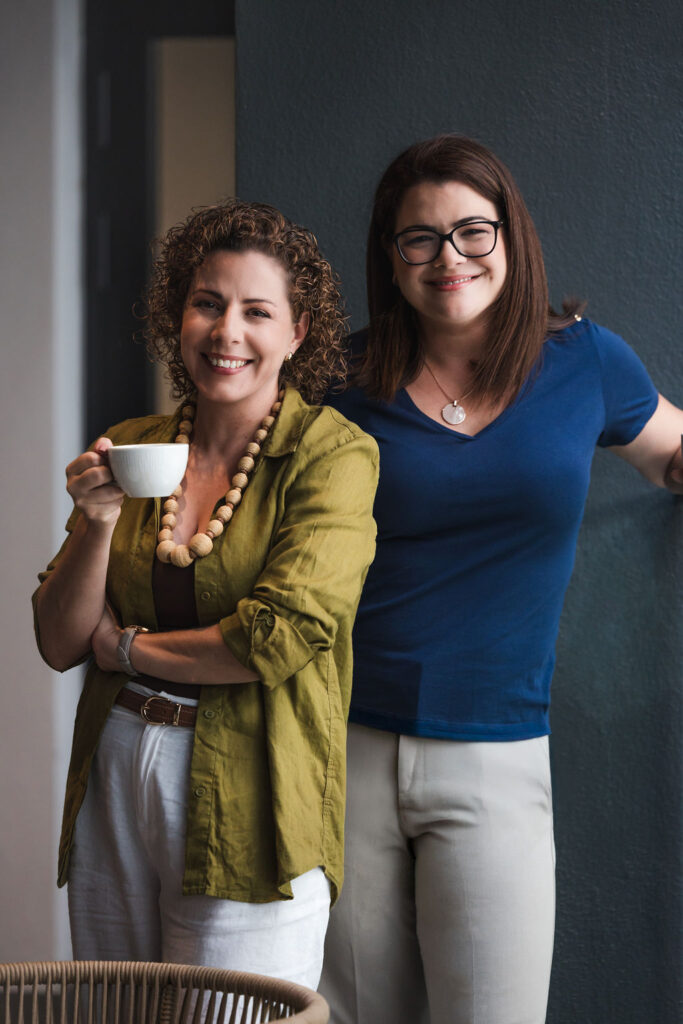
Powered by The Change Agent Malta, the business consultancy firm specialising in leadership development and organisational transformation, Fractional HR Malta is led by Dr Elaine Dutton and Lead HR Advisor Stephanie Borg.
“Many businesses need experienced HR support, but not necessarily on a full-time basis,” says Stephanie. “Fractional HR allows companies to access senior expertise that can hit the ground running – whether that’s for a few hours a week, during a period of growth, or for a specific project.”
The model aligns closely with Malta’s business reality. With SMEs making up a significant part of the local economy, many organisations find themselves navigating increasingly complex people challenges without a dedicated HR structure in place.
“HR in many businesses has grown organically,” adds Elaine. “Processes are built over time, often without clear structure. It works for a while, but as the business scales, those gaps begin to show. That’s when HR can start feeling reactive rather than strategic.”
Adaptable support for evolving businesses
According to Stephanie, the strength of the fractional model lies in its adaptability. “No two businesses are the same,” she explains. “Some need support to build the people function from the ground up, others need more tailored support with performance management, policy development, or employee relations. Our role is to step in where needed and provide practical, hands-on support that evolves with the business.”
For growing organisations, the benefits are both practical and strategic. Access to experienced HR expertise can help strengthen compliance, streamline processes, and create clarity around roles and expectations, while allowing leadership teams to focus on growth and long-term direction.
Looking ahead, Elaine believes this model will become increasingly relevant within Malta’s evolving business landscape. “Businesses today are becoming more agile, and HR needs to evolve alongside them,” she says. “Fractional HR offers companies the ability to stay flexible while still investing in their people in a meaningful and strategic way.”
As organisations continue rethinking how they scale sustainably, HR itself is being redefined. With HR administration becoming increasingly outsourced to advanced software and AI tools, the future of HR may not lie in building bigger teams, but in accessing the right expertise at the right time.
Are you looking for HR Support? Get in touch with Fractional HR Malta at www.fractionalhrmalta.com or send an email to [email protected]