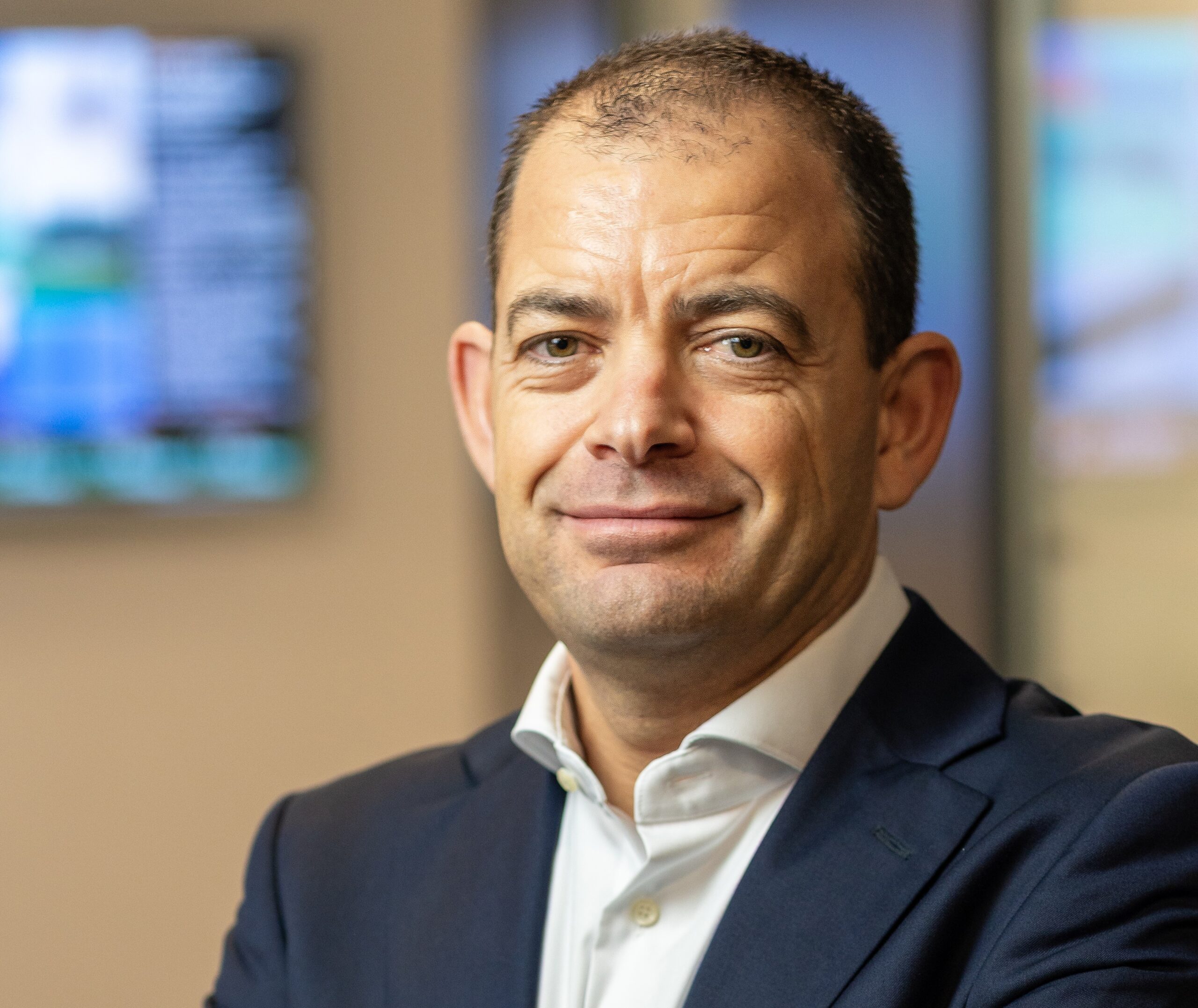
As Chief Executive of the Grand Harbour Regeneration Corporation (GHRC), Gino Cauchi is steering one of Malta’s most ambitious urban transformation projects. In the first of two video interviews with Coryse Borg for the Business Picture Spotlight series, he outlines a long-term vision for the revival of the Grand Harbour – a plan rooted in heritage, sustainability, community life, and economic renewal, designed to reshape the harbour landscape for generations to come.
The regeneration of the Grand Harbour extends beyond infrastructure development to become a strategic national initiative with long-term economic, cultural and urban significance.
At the heart of this transformation by the Ministry for the Environment is the Grand Harbour Regeneration Corporation.
Alongside GHRC CEO Gino Cauchi, a structured, multi-phase programme is being implemented to reposition one of Malta’s most historically significant yet underutilised districts as a sustainable, high-value urban and economic asset.
Regeneration as national strategy
For Cauchi, the regeneration of Marsa and the surrounding harbour zones is both a strategic priority and a cultural responsibility.
“The biggest objective we had was to regenerate this important part of the Grand Harbour,” Cauchi explains, situating Marsa within a broader continuum of regeneration efforts already delivered across Valletta and the Three Cities.
He describes the area as “a very particular site. Not only because it is in a very bad state at the moment, but because it has had a major role in the history of the island.”
He references the layers of Roman, Ottoman and wartime heritage that have shaped the harbour’s identity.
For decades, he states, the area has remained underutilised and fragmented, despite multiple attempts at intervention.
“We believe that this is the right time for the plan we are presenting for the regeneration of that part of the Grand Harbour to succeed,” he says.
The Grand Harbour Revival Plan is conceived as a long-term project, with a projected timeline of 10 to 15 years.
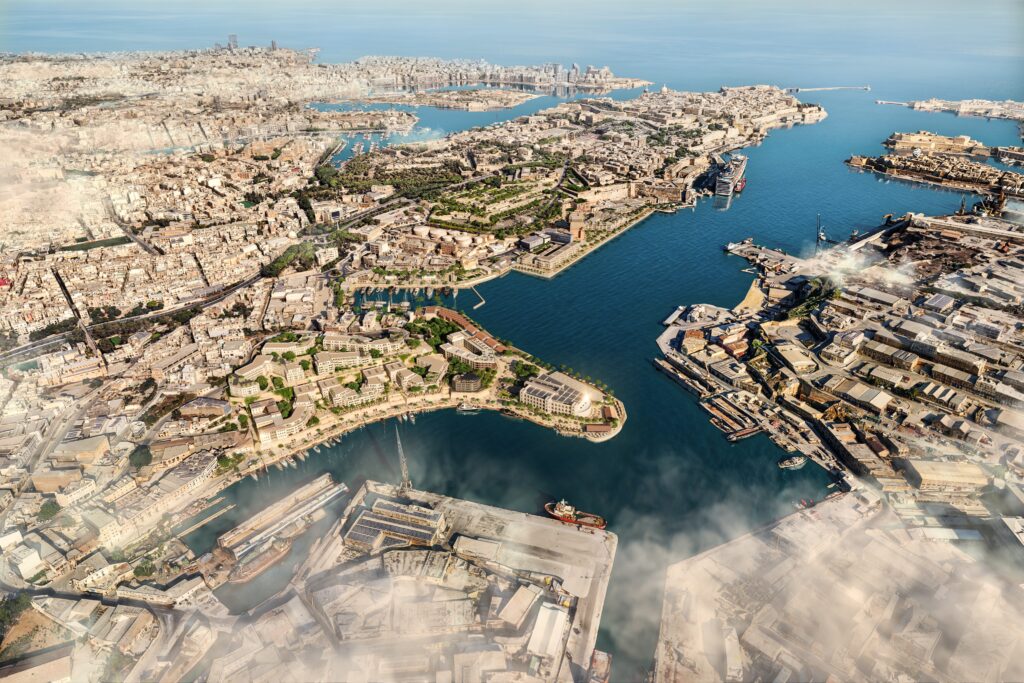
The masterplan, developed by internationally renowned design firm Chapman Taylor, structures the regeneration into four phases, beginning with the transformation of the Marsa waterfront and former power station site into a sustainable, mixed-use zone.
“We believe that this is the right time for the plan we are presenting for the regeneration of that part of the Grand Harbour to succeed.”
Gino Cauchi, Chief Executive of the Grand Harbour Regeneration Corporation
This phased approach allows for integrated development, ensuring that cultural, social, environmental and economic objectives evolve together rather than in isolation.
From masterplan to meaningful urban life
At the core of the GHRC strategy is a clear set of objectives: regeneration, reconnection, and revitalisation.
The vision is not merely about physical redevelopment, but about restoring purpose and relevance to a space that once served as a vital engine of economic and social life.
Cauchi stresses the importance of activity, accessibility, and economic contribution. He says that the aim is to transform derelict zones into spaces that support leisure, culture, commerce and community life, while also strengthening Malta’s wider economic ecosystem.
Crucially, the regeneration model being advanced by the GHRC is not driven by density or vertical development. Instead, it prioritises human-scale design, environmental sensitivity, and public space.
Cauchi is unequivocal on this point: “One main principle is that we are holding back from proposing any type of high-rise buildings.”
The intention, he explains, is to preserve the visual continuity of the harbour skyline. This will ensure that the Marsa side reflects the architectural language already present in Valletta and the Cottonera.
This commitment is reinforced through design principles that emphasise greenery, open piazzas, promenades and accessible waterfront spaces, embedding quality of life into the core of the masterplan.
Public space and culture
Public realm, in fact, forms the backbone of the regeneration strategy. Former industrial and maritime zones – including coal depots and port infrastructure – are being reimagined as civic spaces.
Cauchi outlines plans for “big piazzas, squares, a promenade along the coastline,” designed to return the harbour to the public. But he is equally clear that physical beauty alone is not enough.
“You have to give people a purpose to go there,” he says, framing regeneration as an exercise in activation as much as construction.
Cultural programming, commercial activity and social infrastructure are therefore integral to the plan.
One of the flagship cultural anchors of the project is the former Customs House, which is being earmarked as a centre for arts and culture.
This adaptive reuse strategy reflects a broader philosophy of heritage-led regeneration; one that respects historical structures while reintroducing them into contemporary urban life.
Catering establishments, commercial outlets and cultural venues are envisioned as complementary elements, ensuring that the area is not only attractive, but economically and socially dynamic.
“One main principle is that we are holding back from proposing any type of high-rise buildings.”
Gino Cauchi, Chief Executive of the Grand Harbour Regeneration Corporation
Cauchi repeatedly returns to the concept of “life” as the defining metric of success. “It has to be alive, not only attractive,” he says.
Drawing parallels with Valletta and the Three Cities, he points to the dramatic transformations already achieved in areas once considered dormant or undesirable.
“We’ve done it in the past. So, let’s do it for our future,” he says.