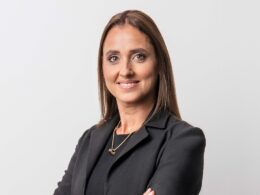
As Chairman of the Grand Harbour Regeneration Corporation, Ryan Fava is overseeing one of Malta’s most ambitious urban transformation programmes. In this video interview with Coryse Borg, as part of The Business Picture Spotlight series, he discusses the long-term vision behind the Grand Harbour Revival Plan and how the regeneration of the harbour’s surrounding areas aims to preserve Malta’s heritage while creating a vibrant, sustainable waterfront for future generations.
Few places capture the imagination quite like Malta’s Grand Harbour. Framed by centuries-old fortifications and layered with history, it is a symbol of the island’s maritime legacy.
The Grand Harbour Regeneration Corporation (GHRC) is seeking to breathe new life into this historic landscape.
GHRC Chairman Ryan Fava believes the project represents far more than a traditional urban redevelopment.
Instead, it is a long-term national vision designed to strengthen Malta’s identity, attract investment, and reconnect people with the harbour that has shaped the country’s history.
“As a Maltese citizen, I’m proud of the Grand Harbour,” Fava starts off by saying. That sense of pride underpins the broader regeneration strategy.
The GHRC initiative aims to transform the harbour and its surrounding areas into a dynamic living, working and cultural district.
According to Fava, the objective is not simply to redevelop land but to reinforce Malta’s global appeal as a destination rooted in heritage and culture.
“We want to extend our heritage – what we already have in Valletta and Marsa. That is why we have called this Grand Harbour project a ‘revival plan’, because we want to make Malta a destination.”
A holistic approach
Central to this ambition is the creation of a cohesive waterfront environment that blends architecture, public space, commercial activity and maritime operations, while remaining faithful to Malta’s historic character.
“We want to create a destination in our country through a holistic project, including the extension of our bastion walls and the preservation of the architecture that we have in Valletta and across our islands,” he says.
A key step in ensuring the project’s long-term success was the decision to work with internationally-recognised designers.
The masterplan has been developed by Chapman Taylor, a firm with extensive experience in large-scale waterfront and harbour developments.
“As Chairman, when I was chosen to handle this project, we wanted the right people, to ensure we do not make any mistakes,” Fava explains. “That is why we selected Chapman Taylor from the UK, who have delivered a significant number of projects related to grand harbours.”
Yet while international expertise has shaped the masterplan, Fava emphasises that maintaining a distinctly Maltese character remains a fundamental priority.
“We want to extend our heritage – what we already have in Valletta and Marsa. That is why we have called this Grand Harbour project a ‘revival plan’, because we want to make Malta a destination.”
Ryan Fava, Chairman of the Grand Harbour Regeneration Corporation
Early discussions with the Planning Authority focused on ensuring the development respects the existing urban fabric and planning framework.
“We don’t want any high-rise buildings. We want to keep the same theme that we have in Valletta – the streets and the stairways that define the city.”
Balancing tourism, leisure and maritime activity
The resulting design proposes a carefully-balanced mix of commercial activity, leisure areas and maritime infrastructure.
Fava describes the concept as having a ‘triangular’ effect, integrating tourism, food and beverage outlets, and maritime functions while safeguarding the harbour’s operational role.
“In my opinion, Chapman Taylor has come up with a very interesting project, including commercial activities and food and beverage outlets, while not putting aside the maritime element. We must maintain Malta’s strategic position in the Mediterranean.”
Tourism is expected to play a significant role in the harbour’s future. The masterplan includes expanded leisure space and improved berthing facilities for smaller, high-end cruise liners.
“We have realised that niche cruise liners, typically carrying around 200 passengers, sometimes find it difficult to berth within our harbour,” he notes. “So, we are going to create more leisure space in order to accommodate these cruise liners within our quays.”
At the same time, the regeneration strategy aims to carefully separate tourist areas from heavy commercial activity, ensuring the harbour remains functional while also becoming more accessible and enjoyable for residents and visitors.
This includes collaboration with Infrastructure Malta to relocate certain commercial operations to other parts of the port area, helping reduce disruption near residential and leisure zones.
A generational project for Malta’s future
Connectivity will also remain a central feature of the harbour’s role within the Mediterranean.
Ferry links between Malta and nearby Italian ports such as Ragusa and Pozzallo will continue to be an important component of maritime transport within the region.
“In my opinion, Chapman Taylor has come up with a very interesting project, including commercial activities and food and beverage outlets, while not putting aside the maritime element. We must maintain Malta’s strategic position in the Mediterranean.”
Ryan Fava, Chairman of the Grand Harbour Regeneration Corporation
While the project’s ambitions are far-reaching, Fava is quick to acknowledge that the regeneration of the Grand Harbour is not a short-term undertaking.
“This is going to start now, certainly, but it will not be completed in three or five years,” he says. “We want to safeguard the legacy of this project. It is a life project, and from phase one through the subsequent phases we will continue building momentum.”
For the moment, the focus is on consultation and collaboration with the many stakeholders operating within the harbour – from maritime businesses to fisheries and logistics operators.
“The idea is not to eliminate any activity,” Fava stresses. “The activities that exist in the Grand Harbour should remain, but we need to reorganise the port so that everyone can operate securely and competitively within our region.”
In essence, he concludes, the regeneration effort seeks to strike a careful balance: preserving the historic identity of the harbour while adapting it for modern economic, cultural and social life.