Matthew Axisa
Solar energy plays a vital role in building a cleaner and more sustainable future, particularly in sun-rich countries like Malta. Yet even small, often overlooked factors can significantly affect the performance of solar photovoltaic systems.
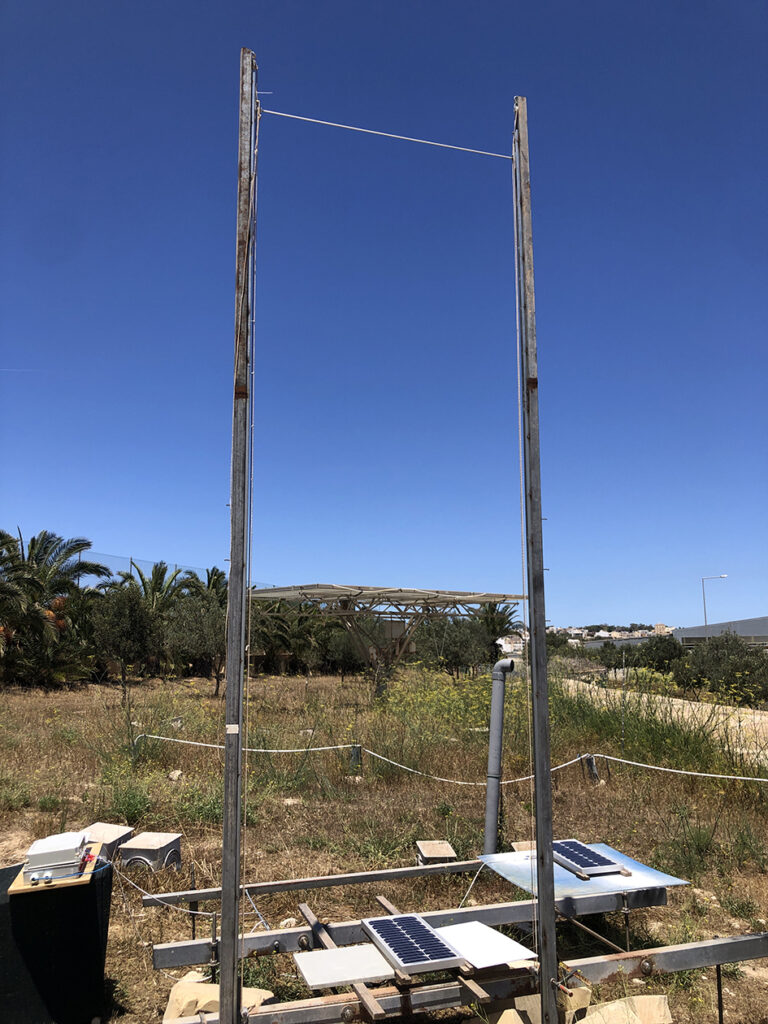
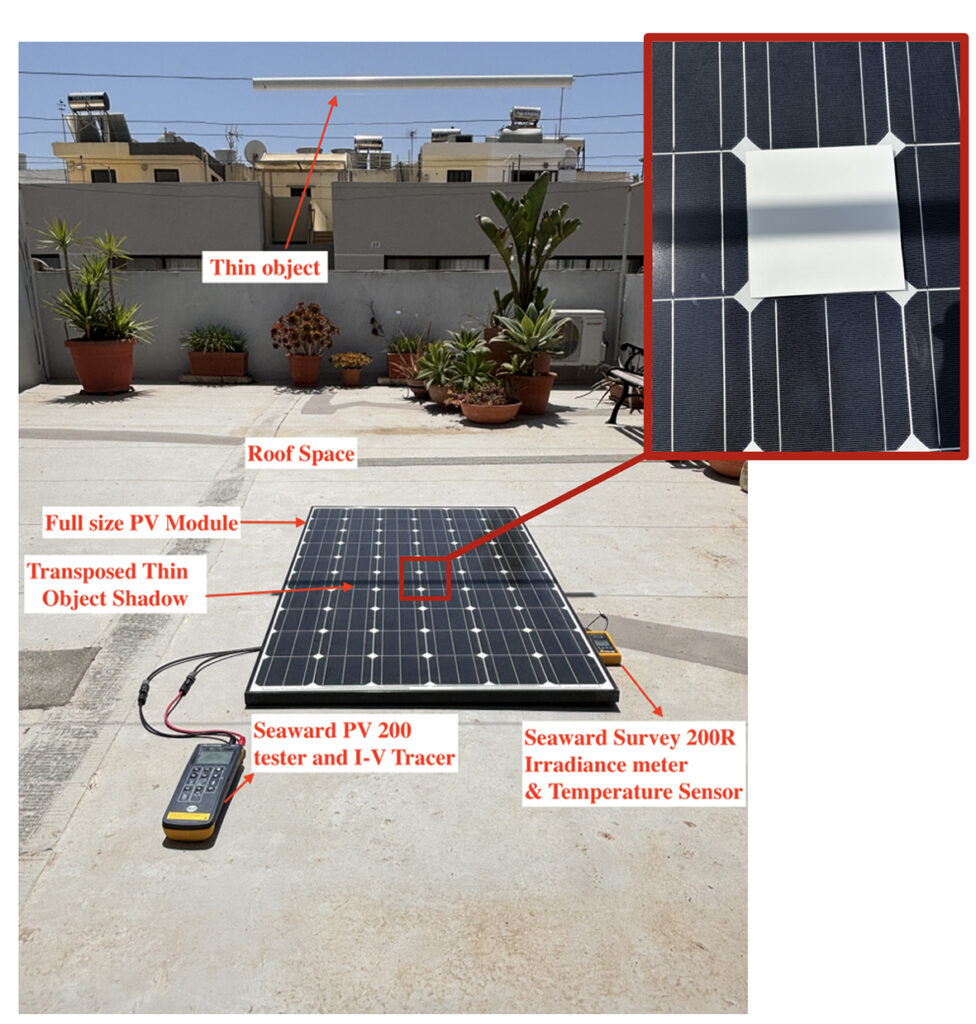
This was the focus of my recent PhD research at the University of Malta, which examined the impact of thin object shading caused by common rooftop elements such as cables, clotheslines and safety wires on solar panel performance.
While these objects may appear negligible at first glance, the findings show otherwise. Laboratory and outdoor experiments revealed that objects as thin as 8mm can cause power losses of up to 16%, while thicker objects of 16mm can reduce output by as much as 42%
Notably, real-world conditions were found to produce stronger shading effects than laboratory simulations, suggesting that current testing methods may underestimate actual energy losses.
“Objects as thin as 8mm can cause power losses of up to 16%”
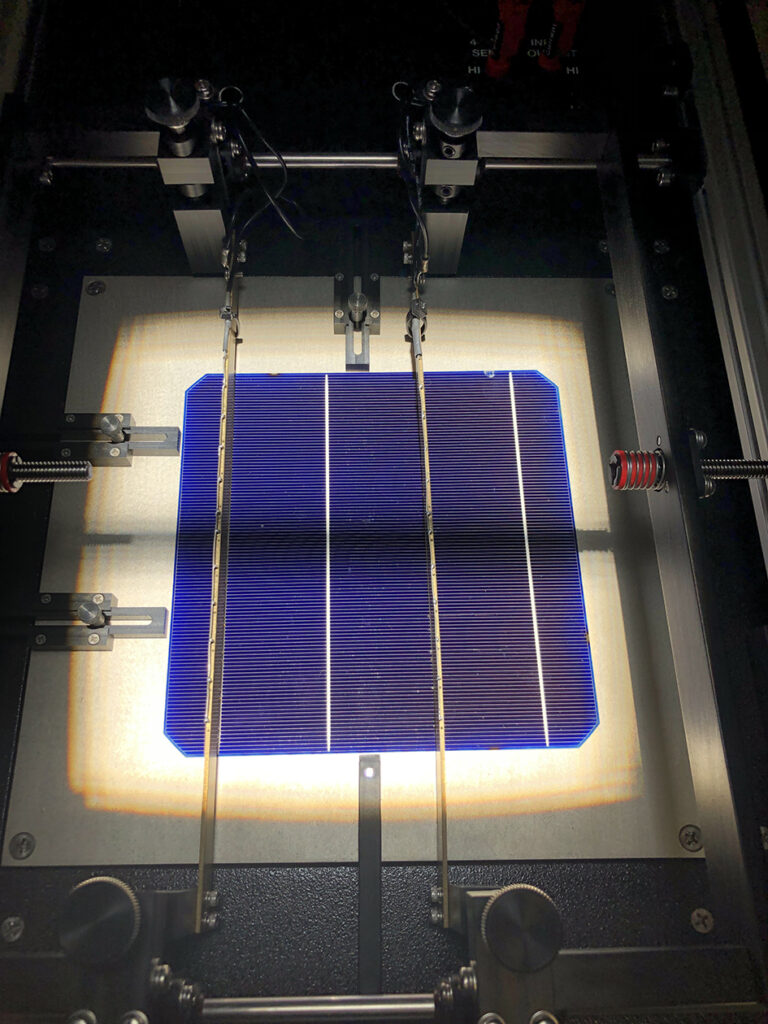
The research also demonstrated that not all shadows behave in the same way. For thinner objects, the softer outer shadow, known as the penumbra, plays the dominant role in reducing power. For thicker objects, the darker central shadow becomes more significant.
In addition, simplifying these soft shadows into uniform ones, a common assumption in industry software, was found to overestimate energy losses, indicating limitations in existing modelling approaches.
A key outcome of this work is the development of ‘ThinShadePV’, an image-analysis tool designed to predict power loss based on shadow characteristics.
By combining computer vision with machine learning, the tool can analyse a simple image of a shadow and estimate its impact on solar output.
This innovation has the potential for integration into commercial PV simulation software, particularly in dense urban environments.
The findings have been disseminated through three peer-reviewed publications and two international conferences, including the 41st edition of the EU PVSEC, Europe’s leading conference on solar energy. Presenting this research internationally has contributed to placing Malta within the global discussion on improving the potential of solar energy.
This research was carried out under the supervision of Prof. Luciano Mulé Stagno and Dr Ing. Marija Demicoli at the Institute for Sustainable Energy, University of Malta. The research was supported by the Tertiary Education Scholarship Scheme (TESS), funded by the Ministry for Education, Sport, Youth, Research and Innovation.