As the financial services landscape grows increasingly digital and complex, the need for informed decision-making by citizens has never been more vital.
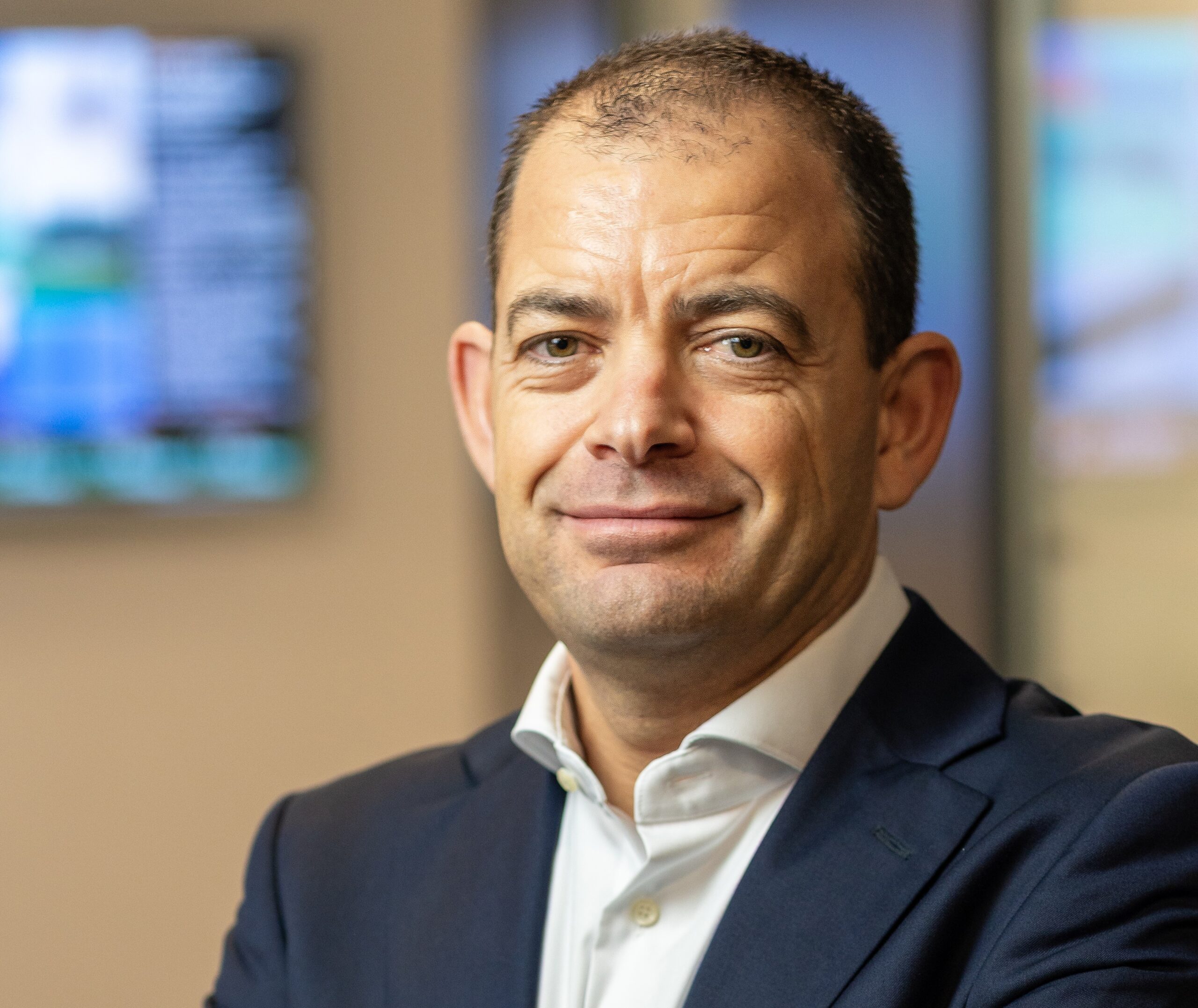
To lead this effort locally, Sarah Pulis has been appointed as Malta’s Financial Literacy Ambassador.
In this capacity, she joins an elite network of experts across the continent supporting the EU’s Savings and Investments Union, a flagship initiative designed to make financial markets more accessible and transparent for everyday citizens.
Tasked with bridging the gap between high-level policy and the ‘man on the street’, Pulis aims to demystify the world of finance for the Maltese public.
In the following interview, she discusses her vision for the role, the specific challenges facing local households, and the roadmap for building a more financially resilient nation.
As Malta’s Financial Literacy Ambassador, how will you go about your duties?
Financial literacy isn’t confined to policy documents or classrooms; it plays out in our everyday lives.
It is used when someone receives their first salary, considers taking out a loan, decides whether to start investing, or tries to understand if an investment offer is genuine.
As Malta’s Financial Literacy Ambassador, my role is to make these moments less confusing.
This means working with Malta’s many stakeholders, including government bodies, regulators, and social policy actors, while engaging directly with the public. Clear communication, trust, and consistency are key.
What are your main priorities?
My priorities come from what we see happening in everyday life in Malta.
One key priority is helping people move from saving to informed investing. Maltese households are disciplined savers, but many people hold back from investing because they simply do not feel confident enough.
Building a basic understanding of risk, diversification, different types of financial products, and the benefits of long-term planning is essential.
Another key priority is keeping people safe in a fast-moving digital environment. Scams are more sophisticated than ever and they affect people across all ages and backgrounds.
Awareness needs to be practical, timely, and continuous, given the speed at which scams evolve.
Reaching people at different stages of life is also important.
Financial literacy is most effective when it meets people where they already are, whether through media, schools, workplaces, or community settings, rather than expecting them to seek out purely formal education environments.
What do you perceive to be the biggest challenges the man on the street faces vis-à-vis financial literacy? How can you help?
A common challenge is uncertainty. Financial products, terms, and conditions can appear complex, and many people fear making the wrong choice, which can lead to inaction.
My role is not to advise individuals or simplify decisions for them, but to help reduce barriers to engagement by promoting clear, neutral, and consistent information.
Encouraging people to ask questions, take time to consider offers, and seek reliable sources can already make a meaningful difference.
There is also a tendency to rely on familiar options, sometimes without reassessing whether these remain suitable. Promoting a basic understanding of risk and limitations can support more balanced decision-making without prescribing specific outcomes.
Digitalisation adds another layer. While many people are comfortable using digital tools, they may not always fully appreciate the implications of what they agree to online.
Helping people recognise warning signs and understand where to find trusted information is an important part of the broader effort.
In February, the MFSA, in collaboration with the European Commission’s Reform and Investment task force (SG REFORM), the Organisation for Economic Co-operation and Development (OECD), and the Ministry for Finance of Malta, presented findings of a survey on the financial literacy and investment behaviours of Maltese retail investors. Those results showed that Malta’s overall financial literacy levels are slightly above the OECD average, reflecting strong budgeting and saving habits. But they also revealed persistent gaps in investment knowledge and participation. How do you intend to tackle this?
The survey results from the EU-funded Technical Support Instrument project tell an important story. Malta performs well overall, particularly in budgeting and saving, but clear gaps remain in investment knowledge and participation.
Addressing these gaps starts with getting the basics right, such as explaining how risk and return are linked and why diversification matters.
There are also widespread misconceptions about certain financial products, such as bonds, guarantees, and perceived safety, which need to be tackled directly.
Addressing this does not mean encouraging greater risk-taking. It means supporting a better understanding of basic investment concepts, while also addressing common misconceptions around perceived safety.
The objective is to help people understand their options more clearly so that any decisions they take are better informed and aligned with their individual circumstances.
In March, the EU’s Commissioner for Financial Services and the Savings and Investments Union, Maria Luís Albuquerque, convened the first virtual meeting of national financial literacy ambassadors. Can you tell us what was discussed and any plans of action agreed upon?
The first meeting of EU Financial Literacy Ambassadors made it clear that Malta’s experiences mirror those seen across Europe. Digital fraud, low investor confidence, and gaps between awareness and understanding are common themes.
There was strong agreement that financial literacy plays a central role in building trust in financial markets and supporting the EU’s broader goals under the Savings and Investments Union.
Ambassadors were seen as important bridges between policy-level objectives and practical, everyday realities. Going forward, the focus will be on sharing practical experiences, aligning messages where possible, and learning from what works across Member States.
Why is financial literacy such a big focus of the European Commission?
Financial literacy is a major focus of the European Commission because it is essential to achieving the EU’s objective of a genuine Savings and Investments Union.
When citizens understand how to save, invest, and manage risk, they are more likely to participate confidently in financial markets, allowing household savings to be channelled into productive investments that support growth and innovation across the EU.
At the same time, stronger financial literacy helps protect consumers, promotes inclusion, and builds trust in the financial system, all of which are critical for a resilient and integrated European economy.
Looking Ahead
While the road to financial literacy is a long-term journey, Pulis remains optimistic about the impact of these collective efforts.
“One of my biggest challenges is maintaining momentum,” Pulis notes. “Financial products and digital risks evolve quickly, and our communication must keep pace. However, financial literacy is a shared responsibility. While institutions provide the tools, the goal is to empower the individual. In the long run, even small, consistent improvements in understanding can make a meaningful difference to a family’s financial resilience.”