Global business leaders are the least confident they have been in five years, while Maltese bosses say they are still expecting strong results despite the international gloom.
The figures emerge from PwC’s 2026 Global CEO Survey, which shows that only 30% of CEOs worldwide expect their company’s revenue to grow this year. This level of confidence is the lowest it has been since 2021.
This slump is being blamed on a divide in technology, with many firms struggling to make money from Artificial Intelligence (AI) while facing increased threats from hackers and global political instability.
But while the international outlook is bleak, the situation in Malta appears much more stable.
PwC said that 92% of local CEOs expect the economy to remain stable or improve this year, and 69% of Maltese business leaders reported stronger financial results in 2025.
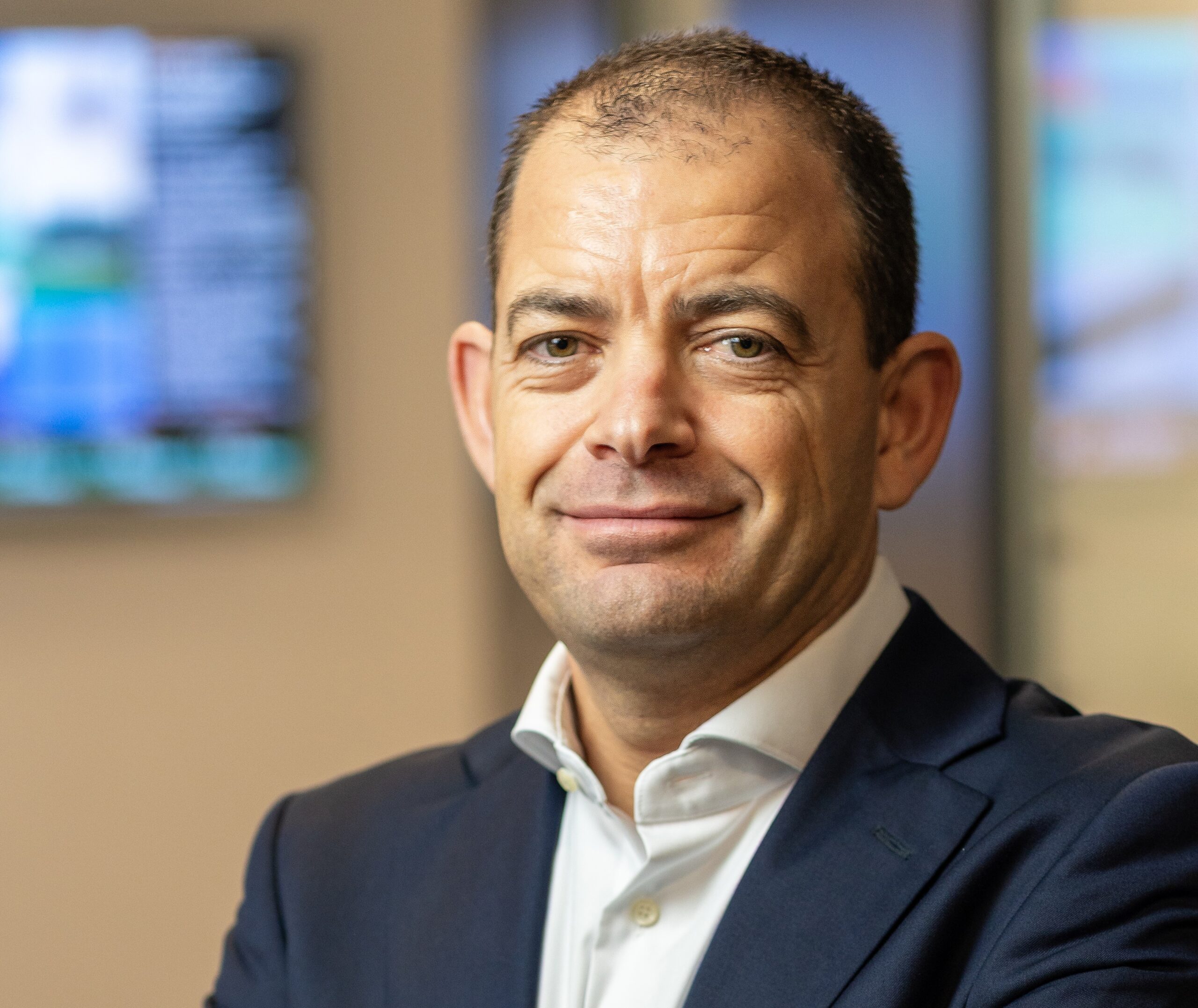
Lucienne Pace Ross, Territory Senior Partner at PwC Malta, noted that while Malta is currently in a position of “relative resilience”, local companies must continue to transform and prepare for cyber attacks to stay ahead.
CEOs using AI are doing bette
The survey highlights a “growing gap” between companies. Those who have fully integrated AI into their products and decision-making are seeing much higher returns than those who are just testing the technology.
“CEOs reporting both cost and revenue gains are two to three times more likely to have embedded AI extensively across products and services, demand generation, and strategic decision‑making,” PwC said.
But beyond technology, other major worries are weighing on the minds of executives.
The survey found that 31% of CEOs globally now see cyber risk as a major threat, up from 24% last year and 21% two years ago.
“In response, 84% say they plan to strengthen enterprise‑wide cybersecurity as part of their response to geopolitical risk.”
Also, one in five CEOs globally (20%) fear that new trade taxes or tariffs will cause them significant financial loss this year.
Surviving the downturn
To survive the downturn, many companies are moving into completely new areas. The survey found that over 40% of global firms have started competing in different industries over the last five years.
When looking to invest abroad, the United States remains the most popular destination, followed by the UK, Germany, and India.
CEOs who are investing outside their current industry are doing so most often in technology, PwC said.
Mohamed Kande, PwC Global Chairman said: “2026 is shaping up as a decisive year for AI. A small group of companies are already turning AI into measurable financial returns, while many others are still struggling to move beyond pilots. That gap is starting to show up in confidence and competitiveness, and it will widen quickly for those that don’t act.”
“The companies that succeed will be those willing to make bold decisions and invest with conviction in the capabilities that matter most,” he said.