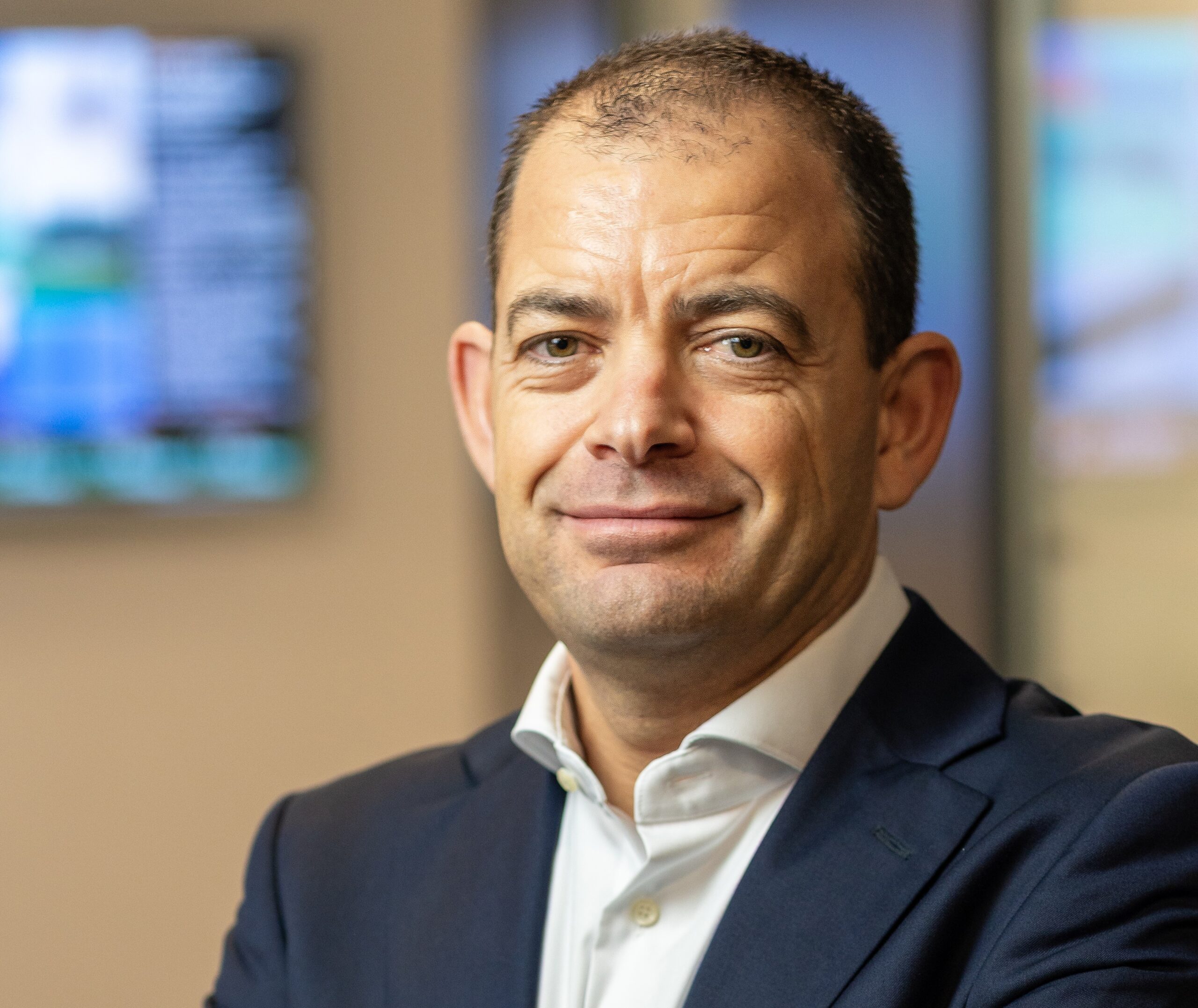
Mark J. Galea
What if I told you that we’re sitting on huge oil reserves, but we’re simply ignoring them?
How would that make you feel? It completely contradicts the story we’ve been told, and that we keep repeating to ourselves, that Malta has no natural resources.
A few years ago, I wrote about the paradigm shifts we need to be more successful as a country. It is now time to update these paradigms because Malta is lacking in anything but resources. While it is true that we lack oil and gas, we have an abundance of natural resources that we are simply ignoring.
In this day and age, what can one do with an abundance of seawater and 300+ days of sunshine? While these may have been irrelevant to the energy sector half a century ago, they are most certainly vital today. The technology has changed, yet our national psyche is still anchored in the 1950s.
Escaping the geopolitical vortex
Let’s immediately tackle the elephant in the room: energy subsidies. Every year, we pour hundreds of millions of euros into keeping energy prices stable. Subsidies are a useful tool to control inflation and protect our quality of life, but we are essentially burning taxpayer money to hide from a geopolitical rollercoaster.
The real question is: why do we choose to stay in this vortex? Every time there is a conflict or a supply chain crisis halfway across the world, our coffers take a hit.
We have the resources right here to stop being a victim of someone else’s price hikes. If we invest in our own energy infrastructure, we stop being a customer and grow into being an owner. It is about finally having the independence to decide our own future without checking the global oil price first. Energy mastery and independence: who can argue against that?
Exploiting our blue real estate
So how do we achieve that independence? Space is limited, and there is no room for massive solar farms, they say. But have we bothered to look – literally – beyond our shores?
Our territorial waters are massive, yet we treat them like a void rather than an asset. In other countries, they use a common-sense approach called ‘hybridisation’ (using the same space and cable for both wind and solar).
Since the most expensive part of offshore energy is the giant underwater cable, basically a massive extension lead back to shore, why aren’t we looking at plugging two things into it at once?
We could be co-locating floating wind turbines with offshore solar platforms: systems like SolarDuck that are designed to sit on the water without harming the seabed.
We can place solar panels in the empty spaces between wind turbines to generate double the power output for the same connection cost. This is a way to exploit our vast sea area efficiently and safely, without needing a single square metre of land.
Buildings that work for a living
Let’s shift our focus to one of our national pastimes: construction. How can we make it work for us? We’re currently building glass office blocks that act like giant greenhouses, forcing us to spend a fortune on air conditioning just to keep them usable. It is a strange paradox: we build structures that soak up heat, and then use huge amounts of energy just to stabilise the temperatures.
“If we master Mediterranean-ready renewables, we will stop being a perpetual customer of foreign gas”
Is it time to consider a BIPV mandate for new commercial buildings? In simple terms, this is a rule requiring large buildings to use “magic” glass walls that catch sunrays and convert them into electricity. The technology exists for power-generating glass that looks like a normal window, yet we continue to ignore it. What if, instead of being a massive energy burden, these buildings were transformed into assets that paid their own cooling bills?
Storing the sun for a rainy day
Converting sunrays into energy is a great idea, but what happens when the sun goes down? It’s great that lithium batteries are already common in our homes and offices, but we should be looking at the next step in efficiency.
Have our authorities explored sodium-ion batteries? This technology allows batteries to run on salt and water. Because the materials are so abundant, they have the potential to be much cheaper than lithium. They are also far better at handling the Maltese heat without losing their “juice”.
If we incentivised our hotels and factories to switch to these saltwater systems, they could store cheap solar power during the day and use it at night. It’s a common-sense way to take the pressure off the national grid and lower the cost of doing business.
A shift in well-being
This goes beyond the national grid; it is about our quality of life. We live on a small, congested island, and our rates of respiratory issues are a constant reminder of that.
We should be clearing our air because we actually deserve to breathe properly. It’s a matter of principle rather than just meeting environmental obligations in some treaty.
There is also a massive opportunity for us to lead the region. If we master Mediterranean-ready renewables, we will stop being a perpetual customer of foreign gas. We could be the ones exporting power and technical expertise instead of just paying for it.
The resources – the sun and the sea – have always been there. The technology is finally ready to exploit them. If this were oil, we would have immediately seized the opportunity and started drilling without batting an eyelid.
Now it’s simply a matter of choices, ambition and foresight.
Mark J. Galea began his career in the early 1990s as a journalist, radio talk show host and opinion columnist. After a decade in the media, he moved to HR management and later into management consultancy. With over 30 years of experience bridging communication, people management and strategic problem-solving, he writes with a focus on finding empathetic, win-win solutions to complex socioeconomic issues.